Commercial Office Furniture Procurement: 5 Essential Questions to Ask Before Finalizing Your Order

Key Takeaway
Securing predictable commercial office handovers requires auditing technical manufacturer lead times, material wear metrics, and integrated power configurations prior to contract signing. Verifying compliance against regional structural safety baselines prevents unforeseen installation delays and early material failure across enterprise environments.
Introduction
Executing a commercial workspace fit-out or office refurbishment requires careful coordination of design concepts, structural budgets, and delivery timelines. When procurement teams finalize corporate office furniture contracts, they often focus solely on the initial aesthetic appeal of catalog displays.
However, ignoring background manufacturing variables, fabric resilience specifications, and integrated wire paths can lead to long installation delays and premature asset breakdown. For organizations operating across major Middle Eastern commercial sectors, asking targeted technical questions prior to contract execution is essential to secure asset longevity and keep business operations on schedule.

What Is an Office Furniture Procurement Audit?
An office furniture procurement audit is a systematic verification process performed by facility managers to evaluate the technical performance, delivery parameters, and structural compliance of furniture assets before signing a purchasing contract.
Instead of relying on basic retail descriptions, an intentional procurement audit examines specific manufacturing parameters. This process analyzes absolute logistical transit times, third-party textile testing certifications, product warranty boundaries, and integrated electrical routing designs to ensure all specified furniture pieces can withstand heavy, daily corporate use.
Why Documented Performance Metrics Matter for UAE Office Fit-Outs
Analyzing documented furniture performance values is essential for companies working to comply with regional safety frameworks, such as the UAE Fire and Life Safety Code of Practice and Dubai Civil Defence (DCD) material approval guidelines. As businesses build out premium corporate environments in high-density submarkets like the Dubai International Financial Centre (DIFC) or Abu Dhabi Global Market (ADGM), commercial assets must carry certified, traceable documentation.
According to regional interior fit-out cost metrics tracked by commercial real estate assessments, unverified furniture purchases increase project risk by exposing companies to unexpected material failures within 3 to 12 months of occupancy. Prioritizing verified material metrics safeguards corporate financial investments and streamlines final regulatory approvals.
Five Critical Questions to Ask Before Signing a Commercial Furniture Contract
Achieving long-term furniture performance requires asking clear, technically precise questions regarding the supply chain, textile chemistry, and structural design of prospective office furniture pieces.
1. What Is the Absolute Project Lead Time and Logistics Routing?
Understanding an asset's exact path to your office requires breaking down standard vendor timeline estimations into actionable milestones. Procurement leads must explicitly ask whether a product is manufactured locally in the GCC or imported from international hubs in Europe, Asia, or North America.
If an item is sourced internationally, request a clear timeline split covering raw material production phases, ocean transit durations around the Cape of Good Hope, local port customs clearance steps, and final on-site installation schedules. Tracking these distinct phases allows project managers to align delivery schedules with broader on-site construction milestones.
2. How Will This Furniture Fit into Our Real Estate Budget Optimization?
Maintaining financial transparency requires sharing your target interior budget boundaries with reputable commercial furniture providers early in the design cycle. When clients work with trusted dealers representing certified international brands, hiding budget limits can lead to mismatched specifications and wasted time.
Disclosing target project costs early allows solutions providers to propose appropriate material tiers, optimize high-volume desking configurations, and flag valuable upgrade options for high-impact zones like executive boardrooms and client-facing reception spaces.
3. Is the Material Composition Certified for Heavy Commercial Application?
Selecting appropriate textiles requires verifying specific performance values that guarantee a fabric can withstand the heavy physical stress of corporate use. Facility managers must look for specific textile testing metrics:
-
Martindale Rub Cycles: This international test (ISO 12947) measures a fabric's resistance to repetitive abrasion. Heavy-duty corporate workspaces require a baseline rating of 30,000 to 40,000 rubs, while busy public reception hubs should target 50,000 cycles or higher to prevent premature pilling or fraying.
-
Lightfastness Ratings: This parameter (ISO 105-B02) determines how effectively a textile resists color fading when exposed to direct sunlight, which is an essential consideration for high-prestige offices featuring expansive glass facades across the UAE.
-
Flame Propagation Tests: This safety metric evaluates smoke density development and flame spread rates, ensuring all specified seating upholstery aligns with National Fire Protection Association (NFPA) benchmarks and local Civil Defence guidelines.
-
Fabric Width Metrics: This dimensional measurement allows designers to map pattern repeats accurately across oversized lounge configurations, preventing unsightly structural seams.
4. What Are the Real Operational Boundaries of the Manufacturer's Warranty?
Evaluating a product's warranty terms requires moving beyond superficial sales promises to review specific contract clauses. High-quality commercial furniture should offer a comprehensive manufacturer's warranty of at least 3 to 5 years covering core structural frames, mechanical gas lifts, and ergonomic components.
Procurement teams must verify whether the local supplier handles full-service maintenance logistics—including on-site product extraction, transport to regional repair facilities, component replacements, and final return delivery—without charging unexpected labor fees.
5. How Does the System Manage Power Connectivity and Cable Layouts?
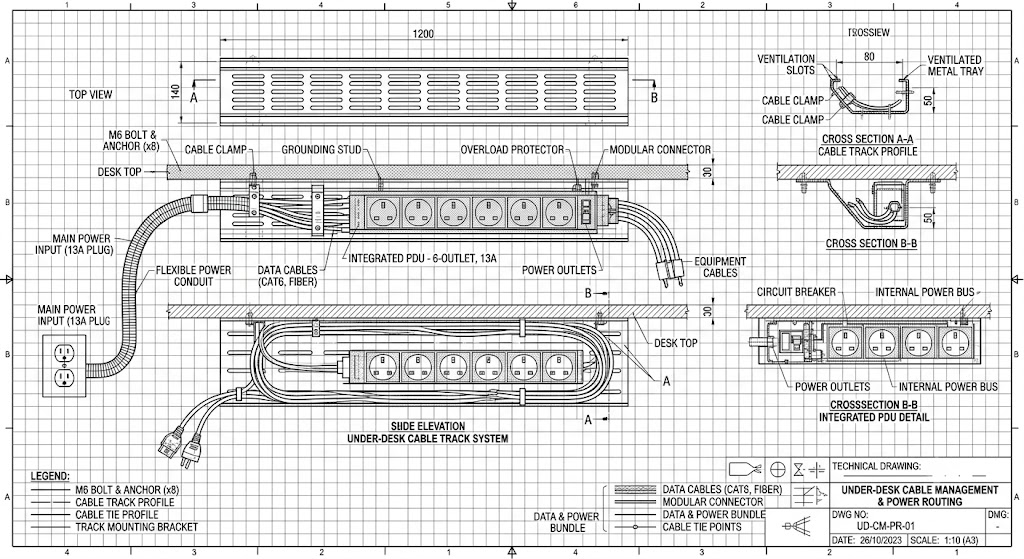
High-resolution furniture catalogs routinely display minimalist, cord-free workstations by hiding essential office wiring from view. To duplicate this clean look in a real corporate setting, facility planners must ask for explicit technical drawings of a desk's integrated cable management layout.
Specify all technological hardware intended for the workspace—including dual monitors, central docking stations, and localized power arrays—so the solutions provider can integrate hidden wire tracts, under-desk cable baskets, and desktop power grommets that protect your office aesthetics.
Traditional Furniture Sourcing vs. Performance-Audited Procurement: Which Is Better?
Choosing a procurement framework requires evaluating long-term asset durability against immediate purchasing convenience. Traditional furniture sourcing relies on choosing items based on visual catalog designs and basic retail price points, which can result in early fabric wear, messy exposed wiring, and unexpected delivery delays.
Conversely, performance-audited procurement requires verifying manufacturing timelines, certified abrasion test values, and integrated electrical wire pathways prior to contract finalization. While traditional sourcing requires less upfront technical research, it exposes organizations to high operational costs due to premature furniture replacements.
Performance-audited procurement requires close collaboration with experienced spatial consultants, but it ensures predictable project delivery timelines and long-term asset performance. For corporate entities managing high-utilization workspaces under strict regulatory baselines, conditional recommendations dictate that if your office space operates under intensive daily use or multi-shift rotations, then performance-audited procurement is superior to traditional furniture sourcing models.
Common Pitfalls to Avoid Before Purchasing Commercial Office Furniture
The most frequent error corporate buyers commit is accepting a single, non-itemized lead time projection without tracking separate customs and shipping milestones, leaving the project vulnerable to unmanaged port delays.
Another common pitfall is specifying residential-grade furniture fabrics for high-traffic corporate lounges, which causes rapid textile wear and early fabric pilling within months of installation.
Finally, many facility layout teams purchase modular desking systems without auditing their internal wire management layouts, resulting in cluttered workspaces crowded with loose cables.
Best Practices for Executing Commercial Furniture Contracts
Securing a reliable, high-performance office furniture deployment requires following an orderly, step-by-step verification pathway.
-
Request Documented Third-Party Testing Certificates: Mandate that all prospective furniture suppliers provide formal lab reports verifying Martindale abrasion resistance and local fire code compliance.
-
Review Detailed Cable Management and Power Schematics: Analyze 3D cross-section drawings of desk assemblies to ensure all internal wiring tracts can comfortably accommodate your team's hardware power supplies.
-
Verify Local Supplier Maintenance and Repair Capabilities: Confirm that your local commercial furniture provider maintains a fully stocked regional parts warehouse to ensure rapid support under warranty terms.
-
Align Shipping Timelines with Active On-Site Construction: Coordinate your delivery dates with general contractors to ensure furniture installation occurs only after messy wet-work phases are completely finalized.
Frequently Asked Questions About Office Furniture Procurement
A general corporate office setting requires fabrics rated between 30,000 and 40,000 Martindale rub cycles. For high-traffic areas like public waiting rooms or shared hot-desking zones, specify a minimum of 50,000 cycles to guarantee long-term textile durability.
Sharing your budget parameters early allows reputable suppliers to identify the most efficient furniture tiers, recommend high-value modular desking configurations, and maximize your spending without compromising on necessary ergonomics or design quality.
International shipping diversions around the Cape of Good Hope can add between 14 and 40 days to standard delivery schedules. Procurement teams must request detailed, milestone-based lead time updates from suppliers to account for these transit expansions.
Lightfastness measures how effectively a fabric resists color fading from UV exposure. Given the intense sunlight across the UAE, prioritizing textiles with high lightfastness ratings ensures your furniture maintains its original appearance when placed near large office windows.
A comprehensive commercial warranty should span at least 3 to 5 years and cover structural frames, adjustment mechanisms, and foam integrity. It should also explicitly state that the local supplier handles all pick-up, repair, and re-installation logistics free of charge.
To maintain clean, organized workspaces, choose modular desking systems equipped with integrated vertical cable spines, spacious under-desk wire trays, and clean desktop access grommets that safely conceal hardware cords.
Sources
-
UAE Fire and Life Safety Code of Practice Material Compliance Regulations
-
International Organization for Standardization (ISO) Upholstery Abrasion Standards
-
The Total Office Corporate Furniture Engineering and Procurement Guidelines
Relevant