
How the Red Sea and Strait of Hormuz Shipping Crises Impact GCC Office Fit-Out Timelines
Key Takeaway
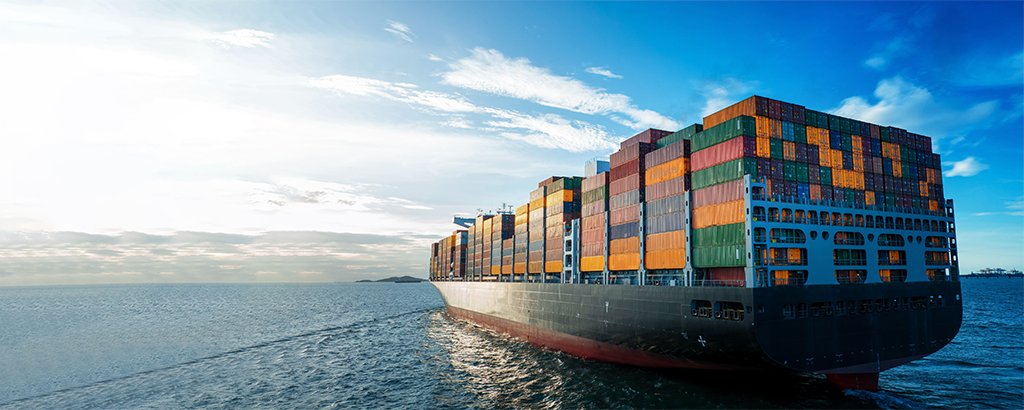
Sustained maritime route diversions around the Cape of Good Hope extend international office furniture transit times by 10 to 40 days and shorten quotation validities from 90 days to fewer than 30 days. Mitigating these systemic supply chain delays requires utilizing real-time digital project trackers and increasing regional manufacturing talent pipelines across Dubai and Riyadh.
Introduction
Managing corporate office fit-out schedules across the GCC requires adapting to highly volatile global maritime shipping conditions. The commercial interior sector throughout the UAE and Saudi Arabia depends heavily on importing specialized components, ergonomic task seating, and acoustic architectures from European, Asian, and North American manufacturing hubs.
Geopolitical shipping disruptions—specifically across the Red Sea and the critical Strait of Hormuz chokepoint—have forced global carriers to alter their traditional shipping routes. For regional project managers, overcoming these challenges requires moving past outdated procurement models and embracing automated logistics tracking to maintain predictable construction deadlines.
What Is Cape of Good Hope Rerouting?
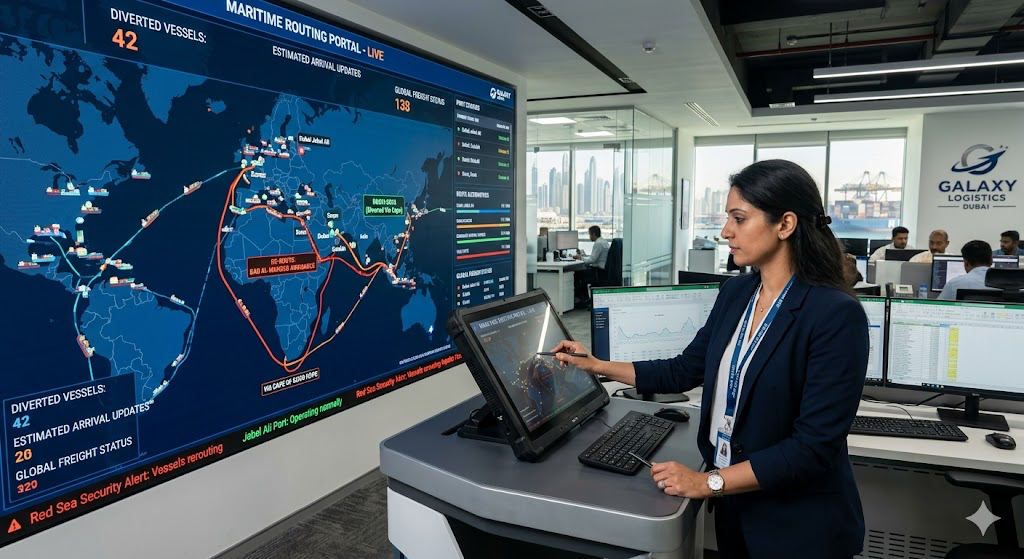
Cape of Good Hope rerouting is the logistical process of diverting commercial ocean vessels away from the Suez Canal and the Bab el-Mandeb Strait, sending them instead around the southern tip of Africa to travel between Europe, Asia, and Middle Eastern ports.
When major shipping alliances—including Maersk, MSC, Hapag-Lloyd, and CMA CGM—encounter severe regional maritime threats, they transition away from the direct Trans-Suez lane. This alternative voyage adds between 3,000 and 4,000 nautical miles to standard shipping lanes, which significantly reduces the global availability of empty shipping containers and extends ocean transit times.
Why Global Supply Chain Visibility Is Critical for GCC Workplace Projects
Maintaining immediate visibility over maritime freight operations is essential for enterprises executing corporate workspace transformations under national mandates like the Dubai Economic Agenda (D33) and Saudi Vision 2030. When critical regional access points operate under significant operational strain, standard non-automated project timelines become unreliable.
According to regional ocean freight index updates, ocean carriers have implemented substantial emergency freight surcharges to cover increased fuel use, driving up base shipping rates by 15% to 45%. Utilizing advanced digital tracking software allows commercial fit-out teams to calculate accurate milestone dates, handle rolling port delays, and manage procurement budgets before local installations begin.
International Transit Tracking: Route-by-Route Disruptions
Evaluating how ocean detours affect specific international shipping lines allows interior designers to adjust material procurement schedules based on origin ports.
North American Trade Corridors to the Middle East
Ocean freight transits originating in North America face constant capacity pressures. Shipping carriers frequently adjust base pricing structures to offset rising fuel surcharges and reduced vessel availability around the Cape of Good Hope. These structural constraints cause rolling shipment delays, particularly for non-priority commercial furniture components and heavy architectural raw materials.
European Trade Lanes to the Arabian Gulf
Shipments moving from European manufacturing hubs encounter severe timeline extensions due to port congestion and volatile weather patterns along the South African coast. This combination reduces overall vessel availability and adds an extra 3 to 5 days of transit time onto standard schedules, creating immediate bottlenecks for specialized European seating and acoustic systems.
Asian Supply Routes to the GCC Region
While Asian shipping lanes remain relatively stable compared to Western corridors, severe port congestion at transshipment hubs like Singapore stretches standard manufacturing lead times. A high regional demand for empty container units introduces an extra 2 to 3 days of delay for standard ocean cargo, requiring constant oversight from project managers.
Traditional Freight Procurement vs. Digitally Tracked Logistics: Which Is Better?
Choosing a supply chain management framework for commercial office projects requires comparing traditional un-automated vendor timelines against integrated, digitally tracked logistics systems. Traditional freight procurement relies on fixed lead-time estimations and manual shipping checks, which frequently results in unexpected project delays when international shipping routes face sudden disruptions.
Conversely, digitally tracked logistics integrate live automated satellite tracking systems and direct carrier data streams into a centralized project interface. While traditional manual procurement avoids initial software integration steps, it leaves project teams vulnerable to supply chain disruptions.
Digital tracking infrastructure requires close coordination with logistics partners, but it provides complete visibility over transit milestones. For companies executing high-priority corporate transformations under tight schedules, conditional recommendations dictate that if your project timeline permits less than 14 days of scheduling flexibility, then digitally tracked logistics are superior to traditional freight procurement.
Navigating the Operational Pressures of Trans-Suez Shipping Realities
Managing long-term maritime routing challenges requires rewriting standard contract conditions and redesigning physical project schedules.
-
Compressed Proposal Validity Windows: Drastic fluctuations in emergency ocean freight surcharges force commercial furniture providers to reduce quotation validities from 90 days to 30 days or less, increasing pressure on corporate procurement decisions.
-
Compounding Raw Material Deficits: Because finished office products experience long transit delays, manufacturing plants suffer from matching raw material shortages. This delay impacts global component availability and lengthens initial production timelines.
-
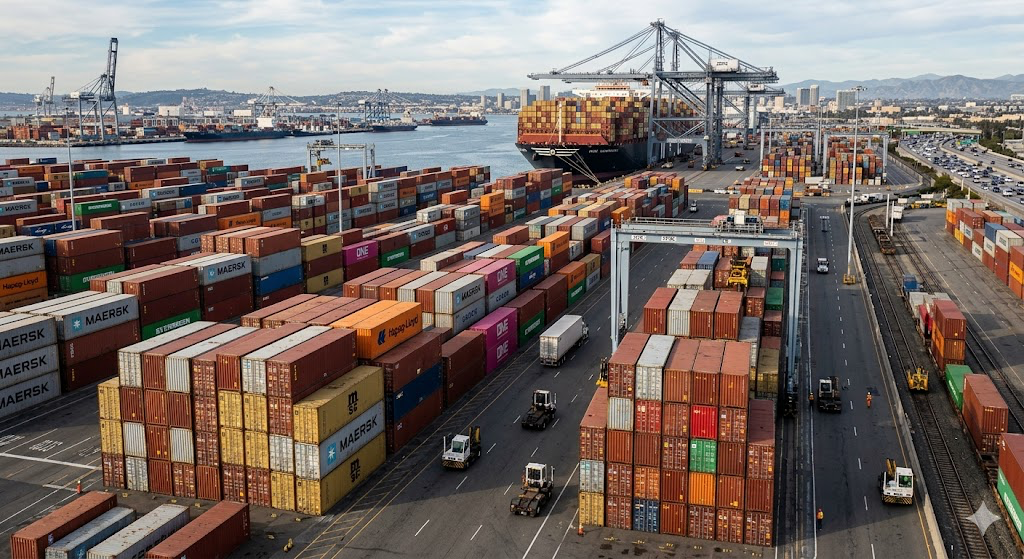
Severe Container Equipment Shortages: Longer ocean routes mean vessels take more time to complete single journeys, preventing empty containers from rotating back to key manufacturing ports and making container booking as challenging as securing space on a cargo ship.
Common Planning Pitfalls During Global Supply Chain Disruptions
The most frequent error commercial interior planners commit is using historical pre-crisis lead times to plan active project schedules, which leads to immediate installation delays when imported goods arrive weeks late.
Another common pitfall is failing to establish flexible interior product options, which exposes the project to major delays if a specific overseas brand faces manufacturing issues due to raw material deficits.
Finally, many project leads execute commercial contracts without updating their financial terms to account for sudden emergency ocean freight surcharges, driving up total fit-out costs.
Best Practices for Managing Corporate Office Fit-Out Timelines
Overcoming international shipping constraints requires implementing a structured, risk-mitigated procurement framework to keep workspace handovers on schedule.
-
Deploy Real-Time Digital Asset Trackers: Connect your project workflow directly to automated tracking systems to receive immediate notifications regarding ocean transit changes, routing updates, and port arrivals.
-
Shorten the Client Decision-Making Window: Accelerate internal corporate review processes to approve project proposals within 30 days, protecting your budget from sudden freight rate increases.
-
Expand Regional and Local Manufacturing Assets: Source high-quality commercial furniture from local suppliers within the UAE and Saudi Arabia to bypass international maritime channels and insulate your project from shipping crises.
-
Build Extended Safety Buffers into Project Deadlines: Add a minimum of 4 to 5 weeks of logistical padding into your initial construction schedules to absorb unexpected international port delays.
Frequently Asked Questions About Shipping Disruptions and Office Fit-Outs
Rerouting via the Cape of Good Hope adds between 10 and 14 extra transit days for Asian shipments, while cargo originating from Western hubs can face up to 40 days of additional transit time compared to traditional Trans-Suez lanes.
Quotes are valid for shorter periods because volatile maritime conditions cause frequent spikes in emergency ocean freight surcharges. To manage these shifting costs, providers must reduce proposal validities from 90 days to 30 days or less.
Yes, shifting to regional and local manufacturing entirely bypasses vulnerable international maritime chokepoints. Sourcing products locally shortens delivery lead times and insulates corporate projects from global supply chain shocks.
Container shortages occur because longer shipping routes around Africa extend total voyage times. This extension keeps container units at sea for longer periods, preventing them from returning quickly to origin ports for reloading.
A digital logistics tracker provides real-time visibility into the location and status of ocean cargo. This live tracking allows project managers to identify shipping delays early and adjust local construction schedules accordingly.
Shipping delays create a dual bottleneck by stalling the delivery of finished commercial products while simultaneously delaying the transport of raw materials to manufacturing plants, compounding total production lead times.
Sources
-
Xeneta International Ocean Freight Rate and Capacity Analytics
-
Maersk Global Advisory and Regional Routing Protocols
-
The Total Office Internal Supply Chain Tracking and Logistics Data
Relevant